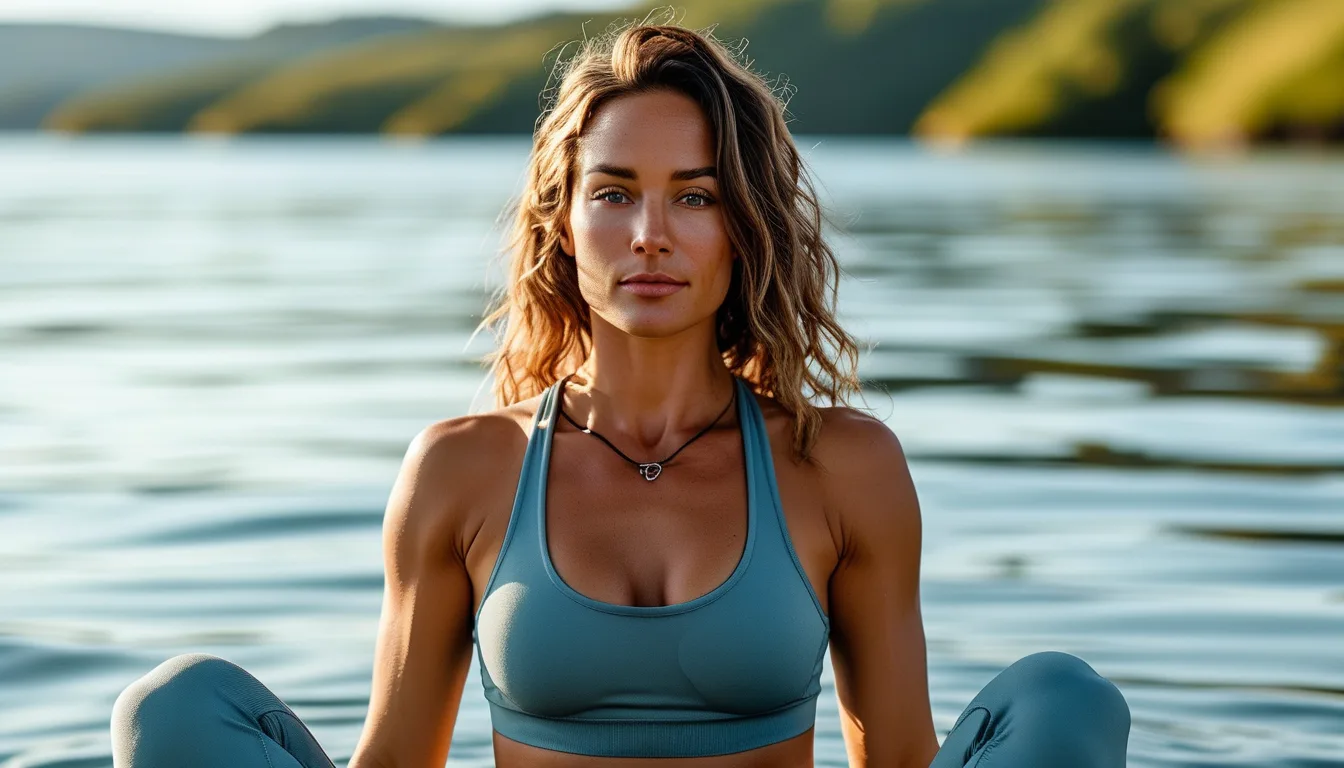
Why Late Summer Is the Best and Trickiest Time for SUP Yoga
Quick Answer: Late summer offers the warmest water and the calmest early mornings of the year, which makes it ideal for SUP yoga. The complication is that autumn wind patterns arrive before autumn temperatures do, so afternoons become gusty and directionally inconsistent while mornings stay glassy. Plan sessions for the first two hours after sunrise, check wind direction rather than just speed, and shorten the flow as the season progresses so you are off the water before the wind fills in.
The conditions this morning were the best of the entire year.
You went back at four for another session and spent forty minutes being pushed steadily toward the far bank.
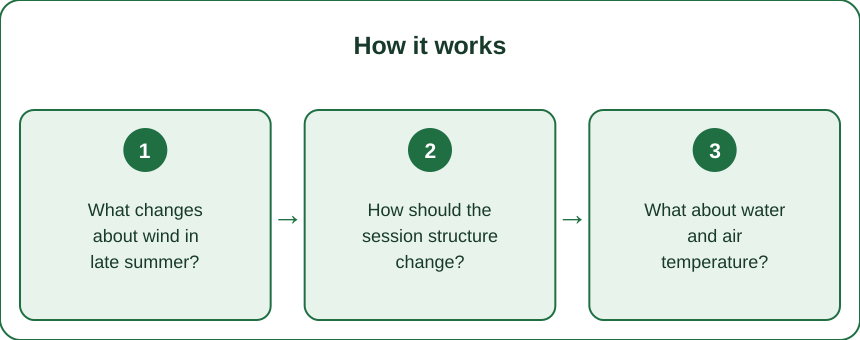
What changes about wind in late summer?
The stable summer pattern breaks down. Midsummer often has predictable light thermal winds; late summer starts to see weather systems with more direction change and more gustiness.
Gustiness matters far more than average speed for SUP yoga, because balance is disturbed by change, not by steady pressure.
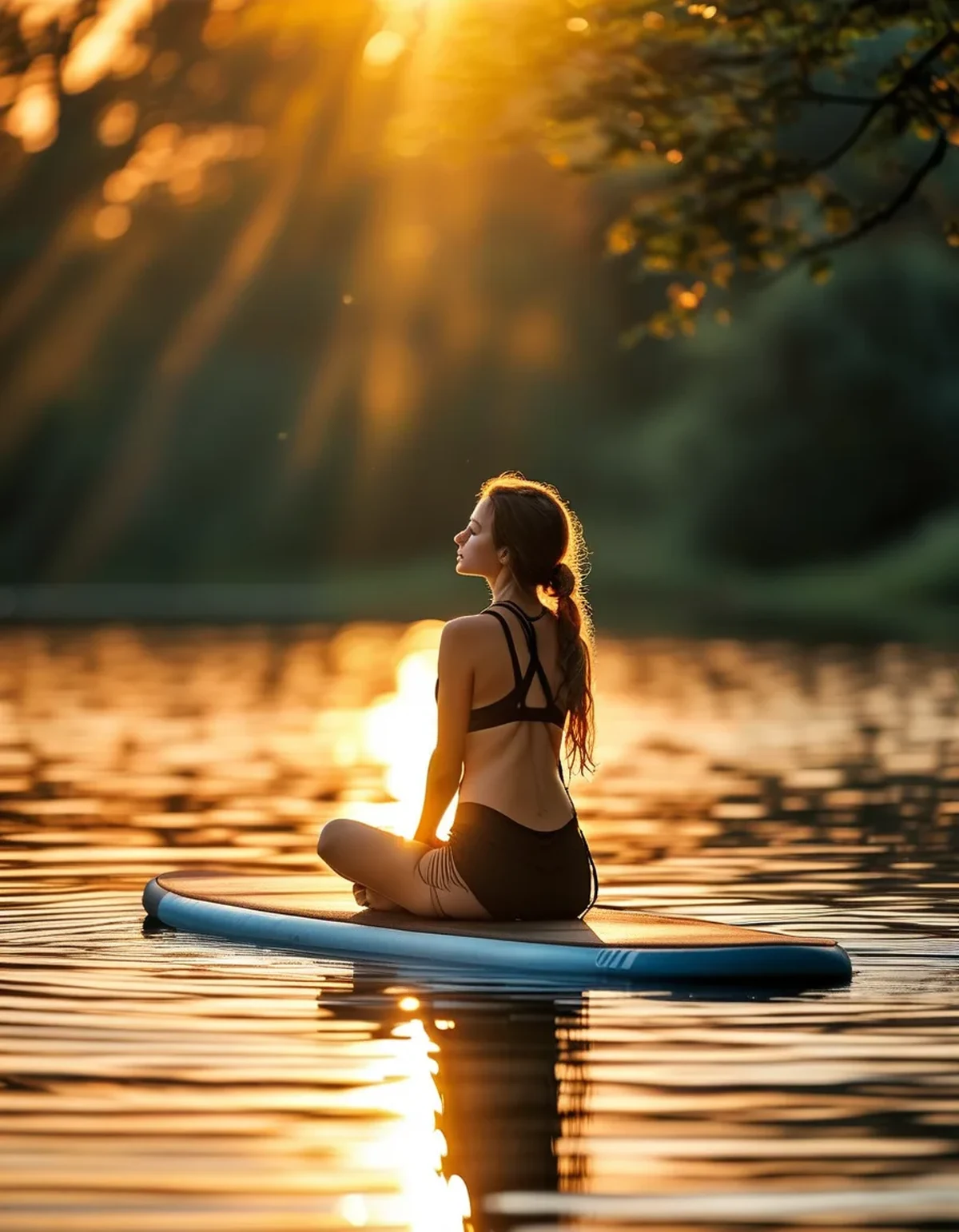
Mornings become disproportionately good. Overnight cooling produces glassy conditions that persist longer into the morning than they did in July.
Afternoon wind fills in earlier and harder as the season progresses, which shrinks the usable window from both ends.
Direction matters more than speed for safety. An offshore wind of eight knots is a bigger problem than an onshore one of fifteen, because it pushes you away from your exit.
And a board with a person standing on it is a sail, which is why SUP is affected by wind more than almost any other water activity.
How should the session structure change?
Front-load the balance work. Do the poses that need the flattest water first, while conditions are best, rather than building up to them.
Shorten the flow. A forty-minute session in stable conditions becomes a twenty-five minute one when the window is narrower and closing.
Anchor if you can. A simple anchor keeps you in position and removes the constant drift correction that eats concentration.
Stay closer to your exit point than you would in midsummer, since conditions can change during a session rather than between sessions.
Check the forecast for gust speed, not just average, which is the number that actually predicts whether balance work is viable.
And have a plan for a wind shift mid-session, which is a normal late-summer occurrence rather than an unlucky one.
What about water and air temperature?
Water is at its annual warmest, which makes falling in a non-event and is a large part of why late summer is the best SUP yoga of the year.
Air is cooling faster than water, so a wet session followed by a breeze is colder than the same fall in July.
Bring a dry layer for immediately after, which is the item most people stop packing once summer feels established.
Early mornings are noticeably cool by late August, so the first fifteen minutes may need a layer even though the water is warm.
Wet neoprene in wind is a rapid cooling combination, which matters more for a slow-moving yoga session than for a paddle where you generate heat.
And your hands and feet cool first on a board, which is the practical limit on session length before the air is properly cold. This is general information, not medical advice.
What technical adjustments help in less perfect conditions?
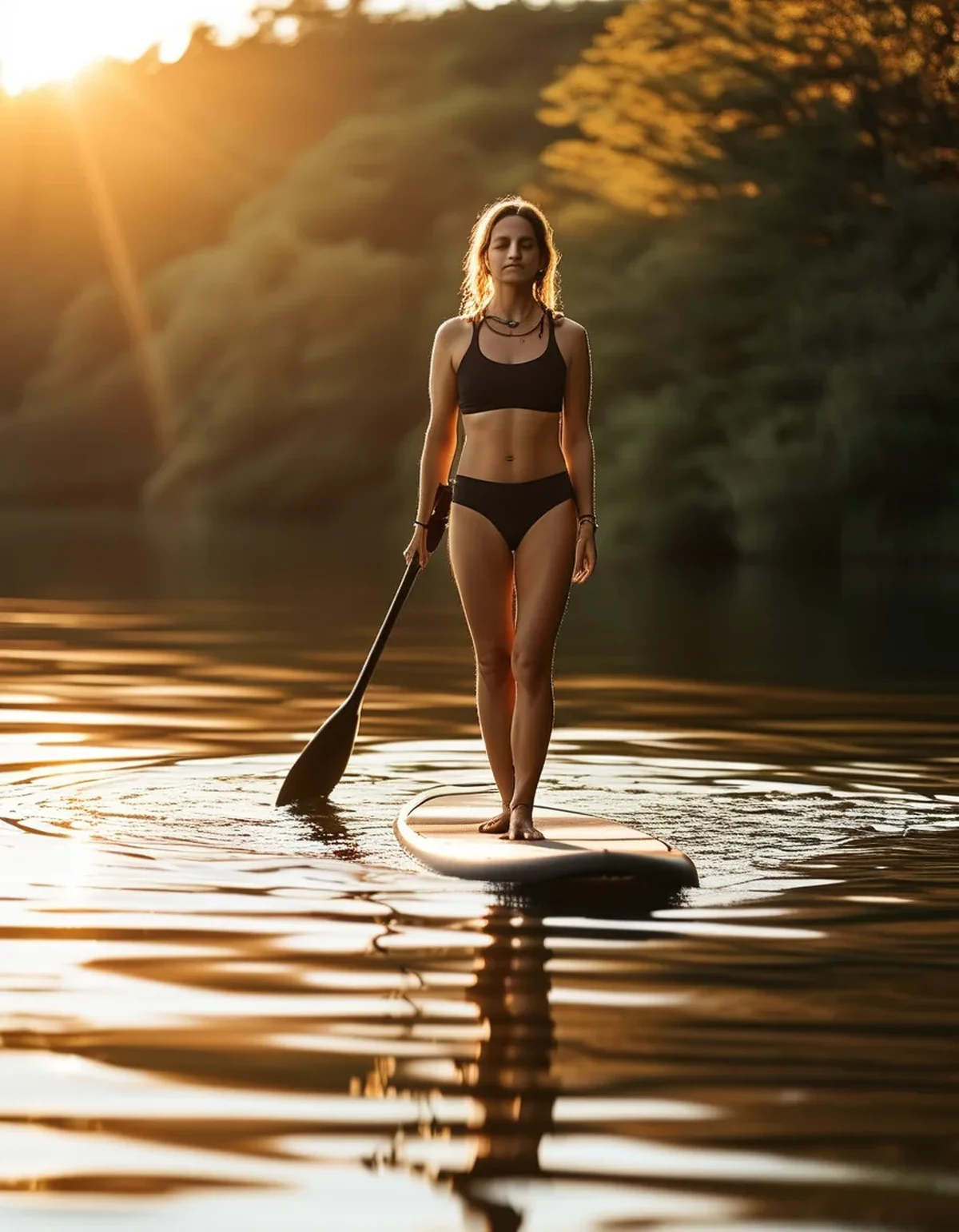
Widen the stance in standing poses, which is the simplest and most effective stability adjustment and costs nothing aesthetically.
Lower the centre of gravity earlier in the flow than you would on flat water - move to kneeling and seated work sooner.
Align the board with the wind rather than across it, since a crosswind on a board is far more destabilising than a headwind.
Fix the gaze on a stationary point on land, not on the water, since moving water removes the visual reference balance depends on.
Slow the transitions rather than the poses. Most falls happen between positions, and transitions are where haste shows.
And accept a modified version. A good session in imperfect conditions is a shorter, lower flow - not the same flow attempted badly.
What Nobody Tells You About SUP Yoga
The board matters more than your yoga. A wide, stable board with a flat deck makes an intermediate practitioner look excellent, and a narrow touring board makes an advanced one look like a beginner. Most SUP yoga frustration is equipment, not skill.
Falling in is part of it and stops being a problem the moment you accept that. People who train to avoid falling move stiffly and fall more. Warm late-summer water is the ideal time to get comfortable with it.
Wind direction is a safety issue, not a comfort issue. Offshore wind is the classic scenario in which people end up a long way from where they started. Check direction before every session, every time.
Your balance is worse in the first five minutes than it will be all session, because the vestibular system needs time to adapt to a moving platform. Judging conditions from your first two poses leads to unnecessary cancellations.
Sunrise sessions are not a lifestyle choice, they are a conditions choice. The reason experienced SUP yoga people are on the water at six is that it is the only reliably flat part of the day from August onwards.
And the anchor is the most underrated piece of kit. A small anchor turns a session spent correcting drift into an actual practice, and almost nobody carries one. This is general information, not medical advice.
FAQ: SUP Yoga Questions, Answered
What wind speed is too much for SUP yoga?
Most people find balance work difficult above roughly eight to ten knots, but gust variation and direction matter more than the average. Offshore wind of any strength deserves caution.
When is the best time of day in late summer?
The first two hours after sunrise, consistently. Overnight cooling produces the flattest water, and the window closes earlier as the season progresses.
Do I need a leash for SUP yoga?
A leash is standard safety practice, though the appropriate type varies by environment - moving water in particular has specific considerations. Follow local guidance and get advice for your location.
How do I stop drifting during a session?
A small anchor is the practical answer, and it transforms the experience. Otherwise, position yourself upwind of where you want to end up and accept some drift.
Is a specific board needed?
Width and deck flatness matter far more than brand. A wide, flat, stable board makes almost every pose more accessible than a narrower faster one.
How late in the year can I keep going?
As long as the water and air combination stays manageable and you can rewarm properly afterwards. Air temperature and wind, rather than water temperature, become the limit through autumn.
What should I bring that I did not need in July?
A dry layer for immediately after, something warm for your hands, and a check of the wind direction before you leave the house. This is general information, not medical advice.
TL;DR:
- Late summer has the warmest water of the year and the calmest mornings - and increasingly gusty afternoons.
- Wind gustiness and direction matter far more than average speed; offshore wind is a safety issue.
- Front-load balance work, shorten the flow, and stay close to your exit as the season progresses.
- Widen the stance, drop lower earlier, and fix your gaze on land rather than water.
- An anchor is the most underrated piece of SUP yoga kit.
The best conditions of the year sit in a two-hour window after sunrise. This is general information, not medical advice.
See It in Motion
Seen here: High Waist Yoga Leggings with Inner Pocket — shop it on bubblelime.com
Keep Reading
This article is for general informational and styling purposes only. Fit, sizing, and product availability may vary.