Why Where You Look Matters More Than Core Strength for SUP Yoga Balance
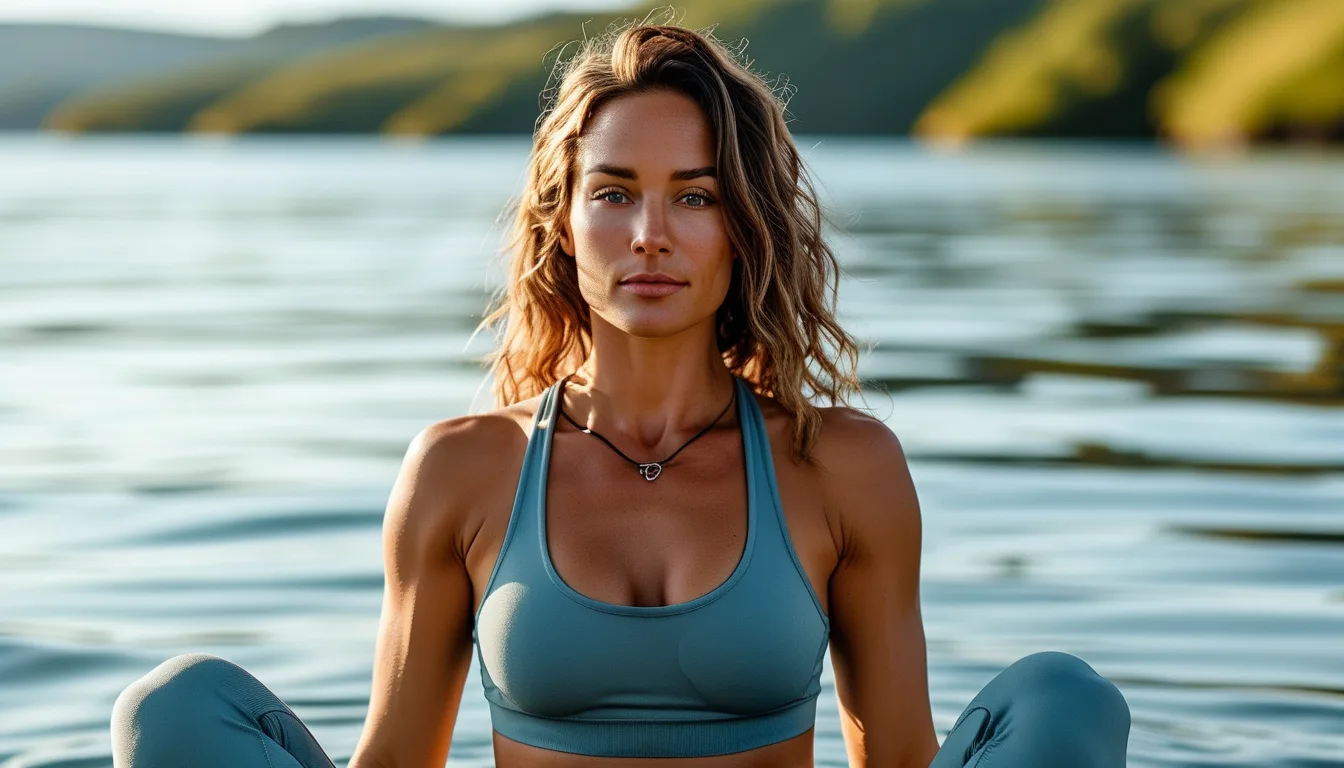
Beginners struggling with SUP yoga balance often assume the fix is a stronger core, when the more immediate lever is actually much simpler: where the eyes are fixed, since visual input plays an outsized role in balance on an unstable surface like a floating board.
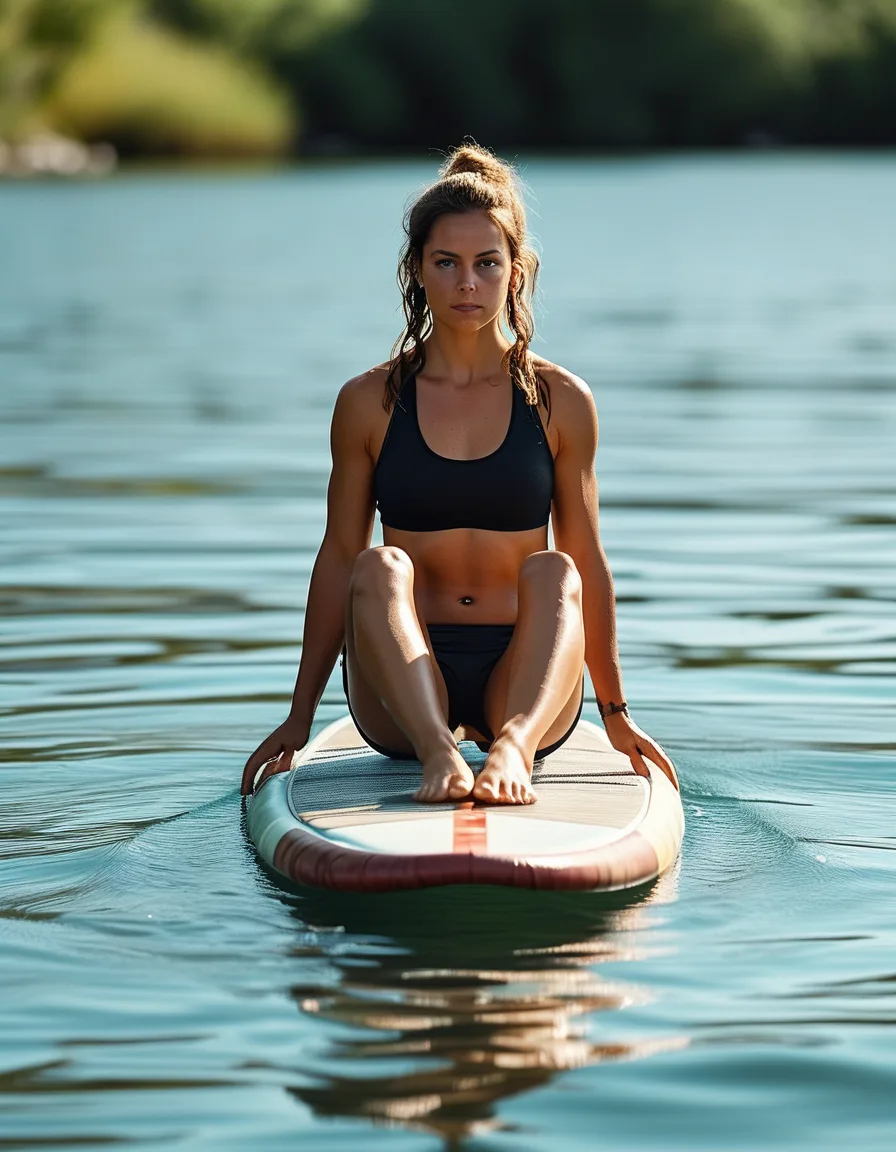
Why Visual Fixation Stabilizes Balance More Directly Than Ab Strength Does on an Unstable Board
The vision-balance connection: the the-brain-relies-heavily-on-visual-input-to-calculate-balance-corrections-in-real-time (the eyesight providing a large share of the sensory information used for constant micro-adjustments — the brain-relies-on-vision-for-balance-corrections), the the-a-wandering-or-shifting-gaze-on-an-unstable-surface-gives-the-brain-constantly-changing-and-unreliable-reference-points (the a moving focal point on already-moving water compounding instability rather than helping — the wandering-gaze-compounds-instability), the the-a-strong-core-cant-compensate-for-a-brain-that-lacks-a-stable-visual-anchor-to-balance-against (the ab strength addressing a different part of the balance system than the sensory input problem — the core-strength-doesnt-fix-missing-visual-anchor), and the reframe (a stable, fixed gaze point functioning as the more immediate balance lever on unstable water, ahead of core strength which addresses a separate part of the system).
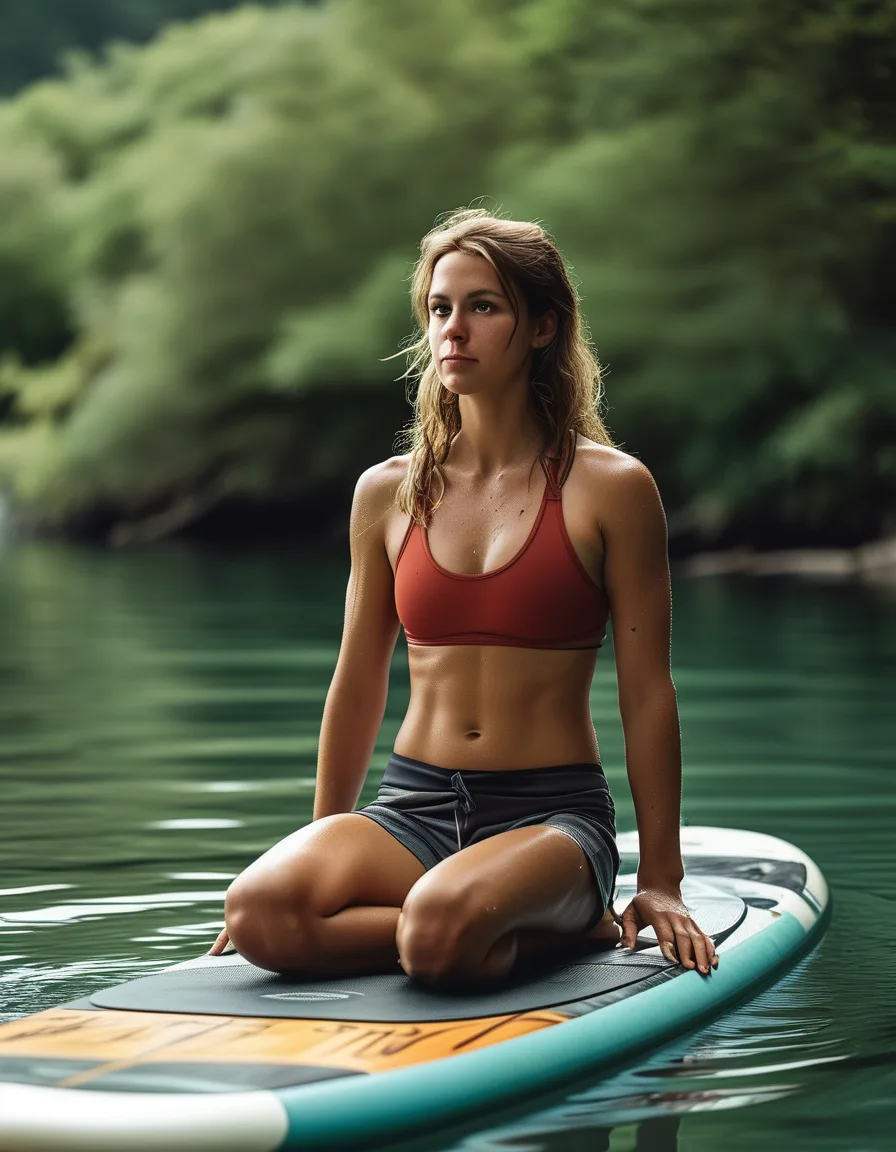
The Specific Gaze Technique That Improves Stability Fastest
The actual technique: the fix-the-gaze-on-a-single-stationary-point-on-the-horizon-rather-than-the-water-or-the-board (the choosing a distant, unmoving reference rather than something close and shifting — the fix-gaze-on-stationary-horizon-point), the the-avoid-looking-down-at-the-board-or-water-which-are-themselves-in-constant-motion (the a nearby moving reference point actively working against balance rather than helping it — the avoid-looking-at-moving-nearby-references), the the-hold-the-gaze-steady-through-transitions-between-poses-not-just-during-a-held-pose (the maintaining the visual anchor through the most balance-vulnerable moments, not only once already stable — the hold-gaze-through-transitions-not-just-holds), and the frame (fixing on a stationary horizon point, avoiding the moving board or water as a reference, and holding that gaze through transitions — the specific technique that stabilizes balance through the most vulnerable moments).
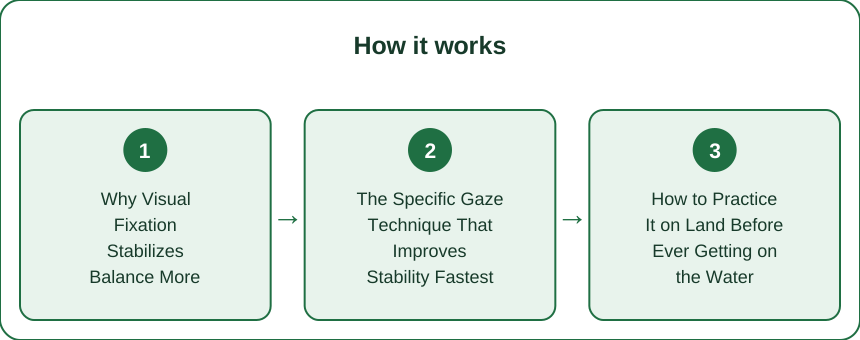
How to Practice It on Land Before Ever Getting on the Water
The land practice progression: the practice-standard-yoga-balance-poses-on-land-while-deliberately-fixing-gaze-on-a-chosen-point (the building the gaze habit in a stable, low-stakes environment before adding the challenge of a moving board — the practice-poses-on-land-with-fixed-gaze), the the-add-an-unstable-surface-like-a-balance-pad-or-cushion-while-maintaining-the-same-gaze-technique (the introducing instability gradually while keeping the visual technique constant — the add-unstable-surface-on-land-first), the the-only-transition-to-the-actual-board-in-calm-shallow-water-once-the-gaze-technique-feels-automatic-on-land (the sequencing the water practice after the technique no longer requires conscious thought — the transition-to-water-after-technique-automatic), and the frame (practicing on stable land first, adding an unstable surface like a balance pad while keeping the same gaze technique, and only moving to calm water once it’s automatic — a progression that builds the balance skill before the added challenge of open water).
Beginners struggling to balance during SUP yoga often assume a stronger core is the fix, but the more immediate lever is where the eyes are fixed, since the brain relies heavily on visual input for real-time balance corrections, and a wandering gaze on already-unstable water gives it constantly shifting, unreliable reference points that core strength alone can’t compensate for. The specific technique is fixing the gaze on a single stationary point on the horizon rather than the moving board or water, and holding that same fixed gaze through transitions between poses, not just during a held pose. Practice it on land first with standard balance poses while deliberately fixing the gaze, add an unstable surface like a balance pad while keeping the same technique, and only move to calm, shallow water once the gaze habit feels automatic without conscious effort.
See It in Motion
Seen here: High Waist Bootcut Yoga Pants — shop it on bubblelime.com
Keep Reading
This article is for general informational and styling purposes only. Fit, sizing, and product availability may vary.