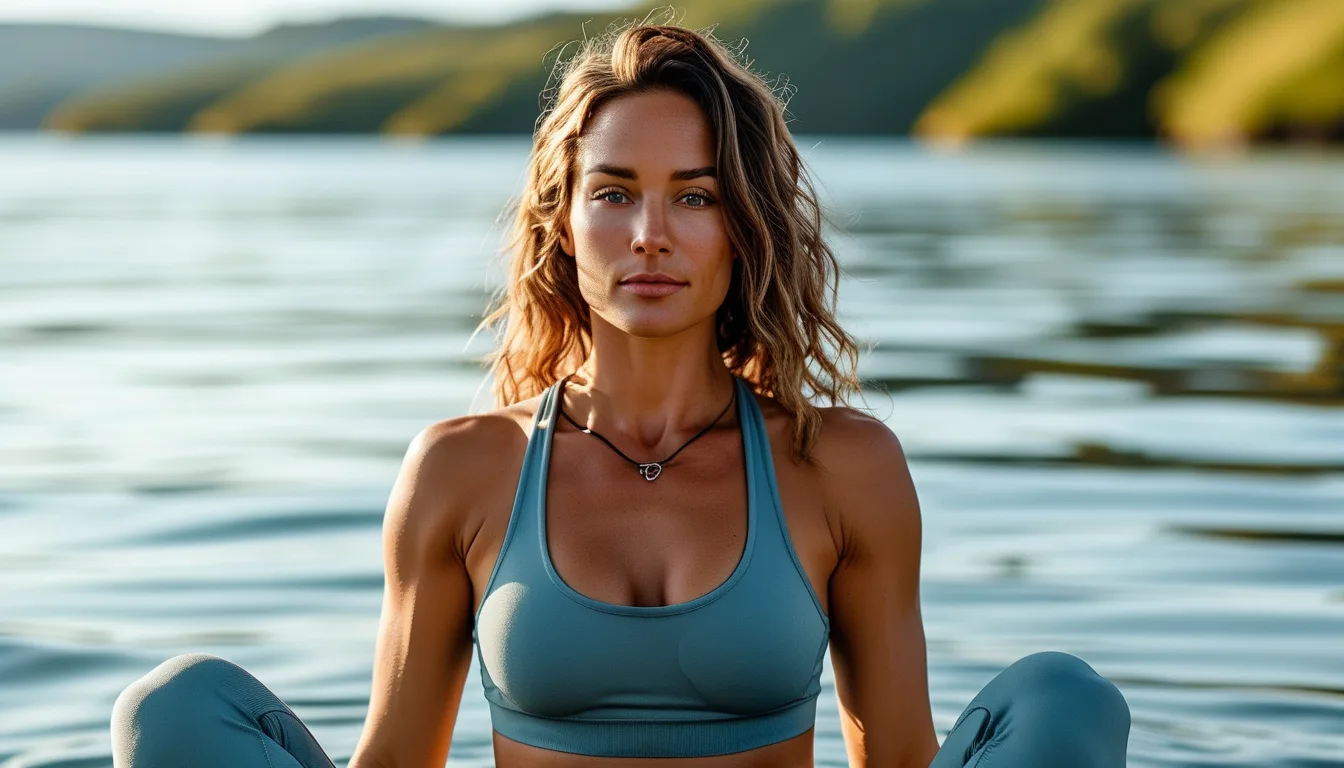
What Water Temperature Actually Makes SUP Yoga Comfortable (and When to Skip It)
Quick Answer: SUP yoga is most comfortable in water around 75°F (24°C) and above, where an unexpected fall in isn’t jarring or risky. Below roughly 65°F (18°C), cold water shock becomes a real safety consideration, not just a comfort issue, and sessions should be shortened or skipped in favor of warmer conditions or a wetsuit.
The serene, sun-drenched SUP yoga photos rarely mention water temperature, but it’s one of the biggest hidden factors in whether a session actually feels relaxing or quietly stressful the whole time.

Why does water temperature matter so much for something that’s mostly on the board?
Even in a well-taught class, falling in is a normal and expected part of SUP yoga, especially for beginners attempting balance poses — it’s not a failure state, it’s baked into the activity. Because of that, the temperature of the water you might unexpectedly enter matters as much as the air temperature and sun on the board itself.
A warm-water fall is a brief, refreshing surprise. A cold-water fall, particularly an unexpected one mid-pose, triggers a real cold shock response (gasping, rapid heart rate) that can be genuinely startling and, at meaningfully cold temperatures, a safety concern rather than just an inconvenience.
What’s the actual comfort threshold, and why?
Around 75°F (24°C) and above is where most people find an unexpected fall genuinely pleasant rather than jarring — this is warm enough that cold shock response is minimal to nonexistent. Between roughly 65-75°F, falls are tolerable but noticeably less comfortable, and sessions are still reasonable with some added alertness.
Below 65°F (18°C), cold shock becomes a real physiological response even for a brief immersion, and this is generally where instructors and experienced practitioners either shorten sessions, skip more advanced balance poses that increase fall likelihood, or recommend wetsuits rather than proceeding as normal.

Does air temperature matter as much as water temperature?
Less than most people assume — being wet after a fall, even briefly, means body heat loss is driven primarily by water temperature and wind chill on wet skin, not ambient air temperature alone. A warm, sunny day with cold water underneath is still a genuinely cold-water activity risk-wise, even though it doesn’t feel that way standing dry on the board beforehand.
This mismatch — warm air, cold water — is actually one of the more common misjudgment scenarios, since the pleasant air temperature can create false confidence about water conditions that haven’t actually warmed up yet, especially early or late in the season.
Does the season change more than just temperature for SUP yoga?
Yes — early and late season water is often colder than the surrounding air temperature would suggest, since large bodies of water take longer to warm up in spring and longer to cool down in fall relative to daily air temperature swings. A pleasant 75°F spring day can still have water sitting in the upper 50s if the season is early.
Checking actual reported water temperature (not just forecasted air temperature) before a SUP yoga session, especially at the shoulder ends of the season, is a more reliable planning input than how warm the day feels on land.
FAQ: SUP Yoga Water Temperature Questions, Answered
Can I do SUP yoga in cold water if I wear a wetsuit?
Yes, a wetsuit meaningfully extends the comfortable and reasonably safe water temperature range, though very cold water still carries added risk and generally calls for a more conservative approach to pose difficulty regardless of wetsuit use.
Is a lake or ocean generally warmer for SUP yoga?
It varies by specific location and season more than a general rule — shallow, sun-exposed lakes often warm faster than open ocean, but local conditions vary enough that checking actual reported temperature matters more than assuming based on water type.
Should beginners specifically avoid colder water sessions?
Yes, more so than experienced practitioners — beginners fall more frequently while building balance, which means more exposure events in a session, making water temperature comfort and safety more relevant for a first-timer than for an experienced SUP yogi with more board control.
TL;DR:
- Water around 75°F+ makes an unexpected fall pleasant rather than jarring
- Below 65°F, cold shock becomes a real safety factor, not just comfort
- Warm air with cold water underneath is a common and easy-to-miss mismatch
- Check actual water temperature, not air temperature, especially early or late season
A session that looks identical in photos can be a completely different experience depending on water temperature alone — check it before assuming a warm day means warm water.
See It in Motion
Seen here: UPF 50+ Short Sleeve Rashguard Swim Shirt — shop it on bubblelime.com
Keep Reading
This article is for general informational and styling purposes only. Fit, sizing, and product availability may vary.